

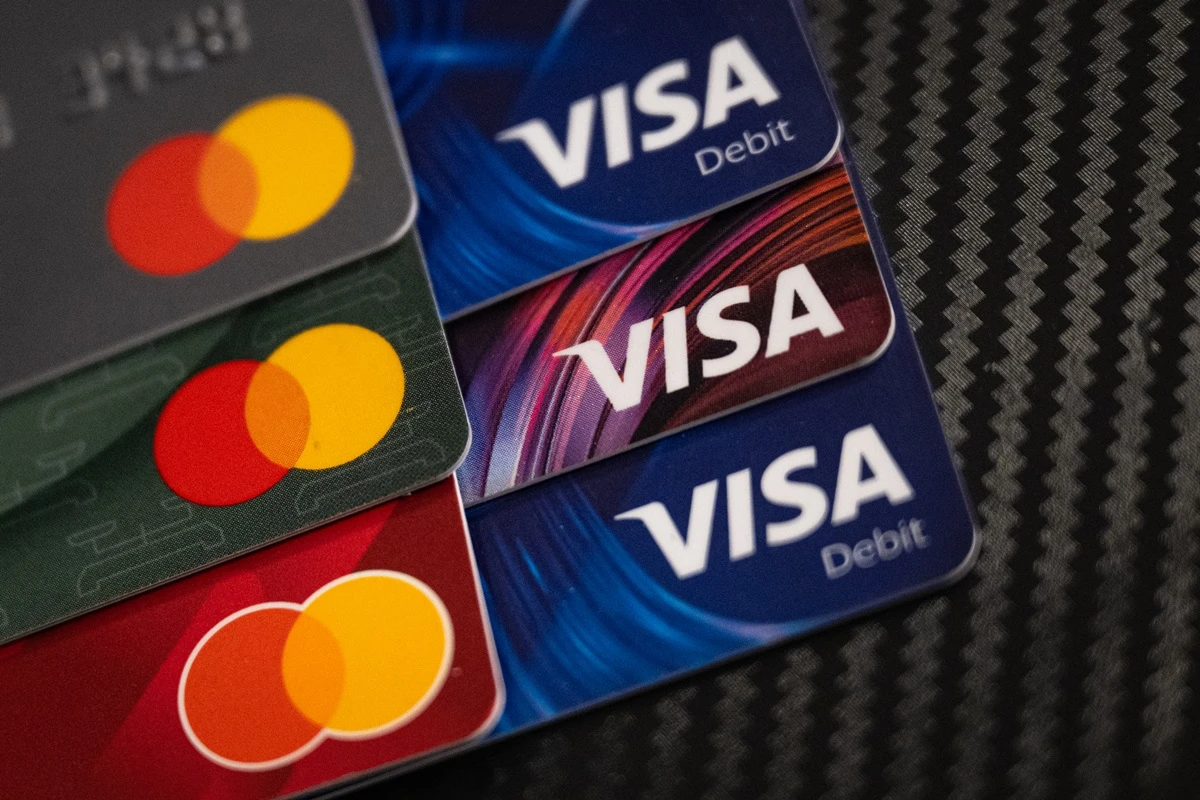
Credit cards are widely used in Japan for everyday purchases, online shopping, travel bookings, and cashless payments. While they offer convenience and flexibility, carrying a large balance can quickly become a financial burden if repayments become difficult.
Whether you are a Japanese resident, an expatriate, or an international worker living in Japan, taking control of credit card debt is possible with a structured financial plan. This guide explains practical steps to reduce debt, improve your financial health, and build a more secure future.
Why Credit Card Debt Happens
Debt rarely develops overnight. In many cases, it grows gradually due to unexpected life events or changing financial circumstances.
Common reasons include:
- Rising living expenses
- Emergency medical costs
- Reduced income
- Job changes
- Online shopping
- Travel expenses
- Unexpected family obligations
- Paying only the minimum monthly payment
Recognizing how the debt accumulated is the first step toward solving the problem.
Step 1: Calculate Your Total Credit Card Debt
Before creating a repayment strategy, understand exactly how much you owe.
Create a debt overview similar to this:
| Credit Card | Outstanding Balance | Interest Rate | Minimum Payment | Due Date |
|---|---|---|---|---|
| Card 1 | ¥ | % | ¥ | Date |
| Card 2 | ¥ | % | ¥ | Date |
| Card 3 | ¥ | % | ¥ | Date |
Having a complete picture of your obligations helps you prioritize repayments.
Step 2: Review Your Monthly Budget
Many people are surprised to discover where their money is actually going.
Build a simple monthly budget.
| Monthly Expense | Amount (¥) |
|---|---|
| Housing | ¥ |
| Utilities | ¥ |
| Food | ¥ |
| Transportation | ¥ |
| Insurance | ¥ |
| Mobile Phone | ¥ |
| Entertainment | ¥ |
| Credit Card Payments | ¥ |
| Savings | ¥ |
Small spending adjustments made consistently can create additional funds for debt repayment.
Step 3: Stop Increasing Your Debt
One of the most important rules is to avoid adding new debt while paying off existing balances.
Consider the following habits:
- Pause unnecessary purchases.
- Delay non-essential spending.
- Avoid impulse online shopping.
- Use debit cards or cash whenever practical.
- Cancel subscriptions you rarely use.
Reducing new borrowing allows your repayments to have a greater impact.
Step 4: Choose a Debt Repayment Strategy
There are two popular repayment methods.
Debt Snowball Method
Focus on paying off the smallest balance first while continuing minimum payments on all other cards.
Benefits include:
- Faster psychological wins
- Increased motivation
- Easier long-term consistency
Debt Avalanche Method
Prioritize the card with the highest interest rate.
Benefits include:
- Lower total interest costs
- Faster overall debt reduction
- More efficient long-term repayment
Choose the method that best matches your financial situation and personal motivation.
Step 5: Contact Your Credit Card Provider
If repayments become difficult, contact your credit card company as early as possible.
Depending on your circumstances, they may discuss options such as:
- Alternative repayment plans
- Temporary payment arrangements
- Revised payment schedules
- Financial hardship support
- Other repayment solutions that may be available
Communicating early is often more effective than missing multiple payments without notice.
Step 6: Increase Your Monthly Income
Improving your income can accelerate debt repayment.
Possible ideas include:
- Freelance work
- Part-time employment
- Online services
- Tutoring
- Selling unused household items
- Consulting
- Seasonal work
Even modest additional monthly income can significantly shorten your repayment timeline.
Step 7: Build an Emergency Fund
Unexpected expenses often lead people back into debt.
Once your finances improve, gradually build an emergency fund to reduce reliance on credit cards.
Many financial experts recommend saving several months of essential living expenses, although the appropriate amount depends on your personal circumstances.
Compare Monthly Spending
Use this worksheet to identify opportunities for savings.
| Category | Current Spending | Can Reduce? |
|---|---|---|
| Dining Out | ¥ | ✓ |
| Entertainment | ¥ | ✓ |
| Shopping | ¥ | ✓ |
| Streaming Services | ¥ | ✓ |
| Transportation | ¥ | ✓ |
| Utilities | ¥ | ✓ |
Reviewing expenses regularly helps maintain long-term financial discipline.
Debt Reduction Checklist
Use this checklist to monitor your progress.
☐ Listed every credit card balance
☐ Created a monthly budget
☐ Stopped unnecessary spending
☐ Selected a repayment strategy
☐ Contacted my credit card provider if needed
☐ Began reducing outstanding balances
☐ Started building emergency savings
☐ Review my finances every month
Consistency is often more important than making dramatic financial changes.
Common Mistakes to Avoid
Many people unintentionally make debt repayment more difficult.
Avoid these mistakes:
- Paying only the minimum amount indefinitely.
- Ignoring monthly statements.
- Applying for additional credit unnecessarily.
- Borrowing to repay existing debt without careful evaluation.
- Delaying financial planning.
- Spending without tracking expenses.
Better financial habits usually produce better long-term results.
Frequently Asked Questions
Is it possible to recover from significant credit card debt?
Yes. Many individuals successfully reduce their debt by creating a structured repayment plan, budgeting carefully, and making consistent monthly payments.
Should I pay more than the minimum payment?
Whenever your budget allows, paying more than the minimum can reduce both repayment time and total interest costs.
Can budgeting really make a difference?
Yes. A realistic budget helps identify unnecessary spending and allows more money to be directed toward debt repayment.
Should I continue using my credit cards while paying off debt?
Many people find it easier to reduce debt by limiting new credit card purchases until existing balances are under better control.
Final Thoughts
Getting out of credit card debt in Japan requires patience, planning, and consistent financial habits. By understanding your total debt, creating a realistic budget, reducing unnecessary expenses, and making regular repayments, you can steadily improve your financial situation.
Financial recovery does not happen overnight, but every payment moves you closer to greater financial stability. Building healthy money habits today can help create long-term financial security and greater peace of mind for the future.